
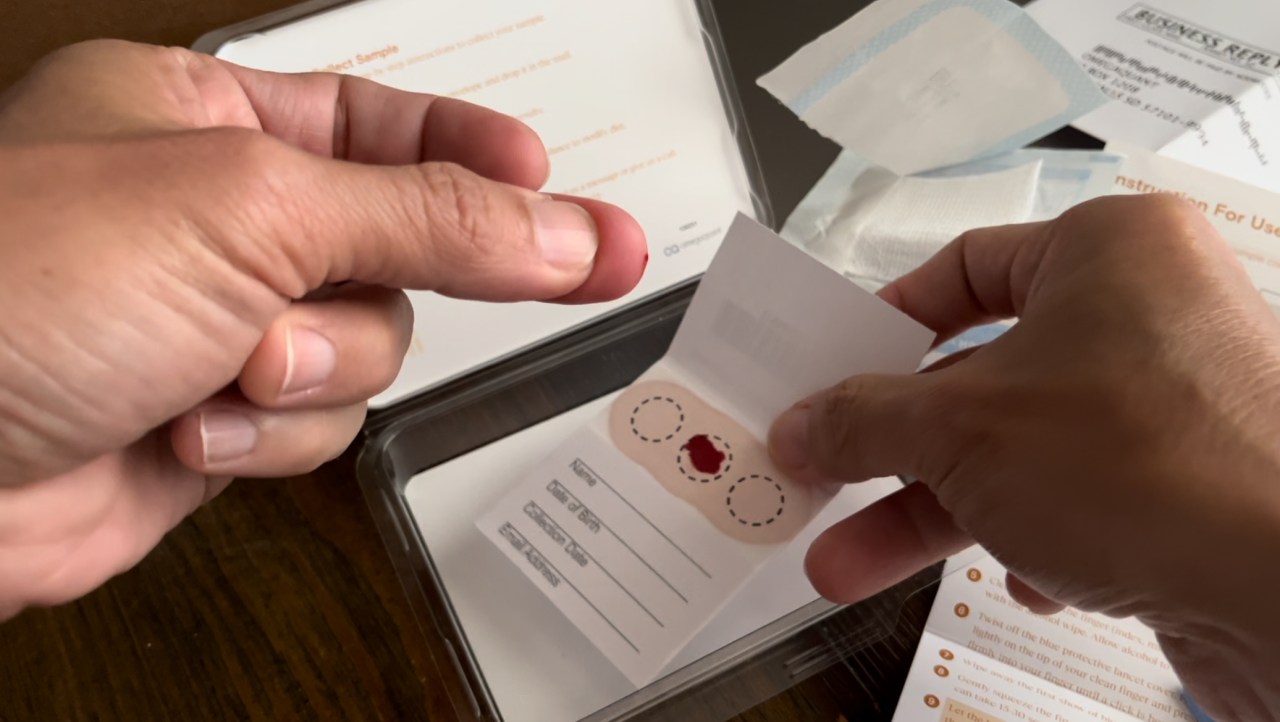
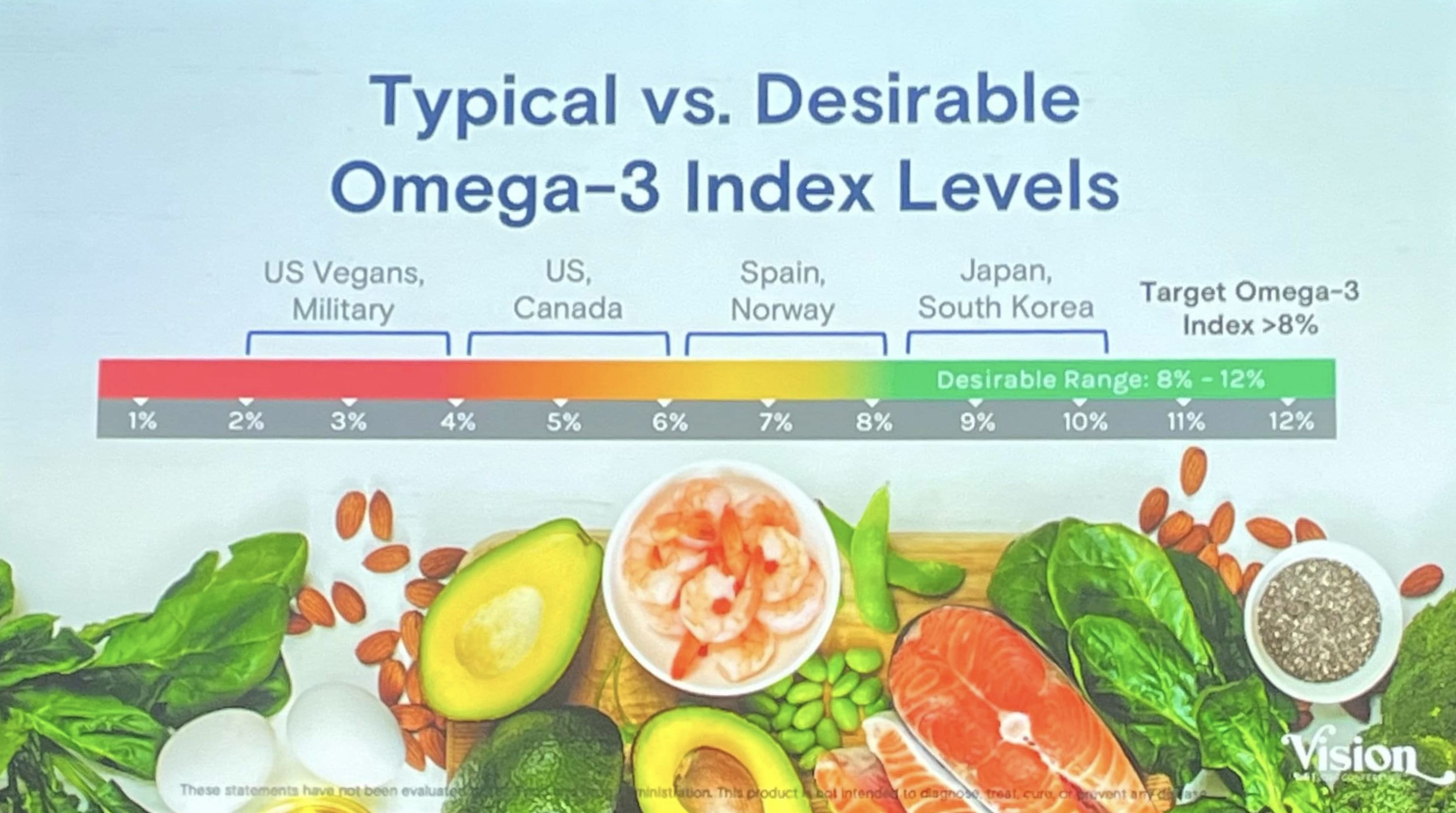
Hello, everyone! I’m excited to share a recent experience that has opened my eyes to the importance of knowing our Omega-3 levels, especially as an athlete. I recently received my Omega-3 Index test results after more than a week of waiting, and, as expected, my levels are below the optimal range. Given that more than 90% of people in the U.S. are Omega-3 deficient, I wasn’t surprised. In the Philippines, while there’s no official data, it’s likely many people there also have low levels, particularly in urban areas where seafood is less accessible.
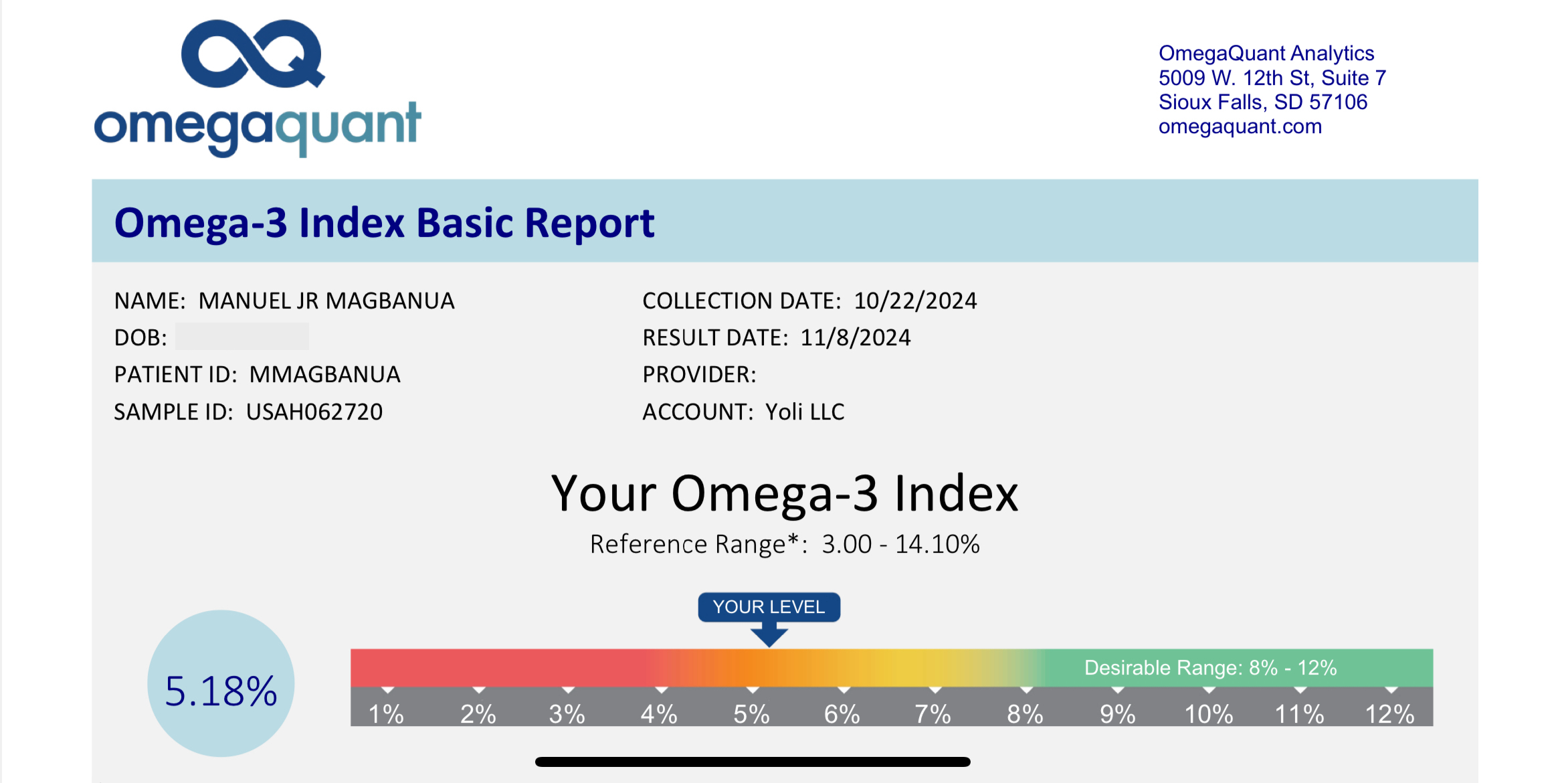
My Omega-3 Results:
My Omega-3 Index came in at 5.18, but the recommended range is between 8 and 12. This has been eye-opening, especially as I learned that Omega-3 benefits the body far beyond heart health. It plays a critical role in brain function and supports various systems in the body—making it essential for anyone, but especially so for athletes like me.
Why Omega-3 Matters for Athletes:
For athletes, Omega-3 can make a big difference in performance and recovery. It supports joint health, which is crucial for high-impact activities, and has anti-inflammatory properties that can reduce muscle soreness and promote faster recovery times. Omega-3 is also beneficial for cardiovascular health and endurance, giving athletes the stamina to train harder and longer. It’s no wonder that having optimal Omega-3 levels is often linked to improved athletic performance!
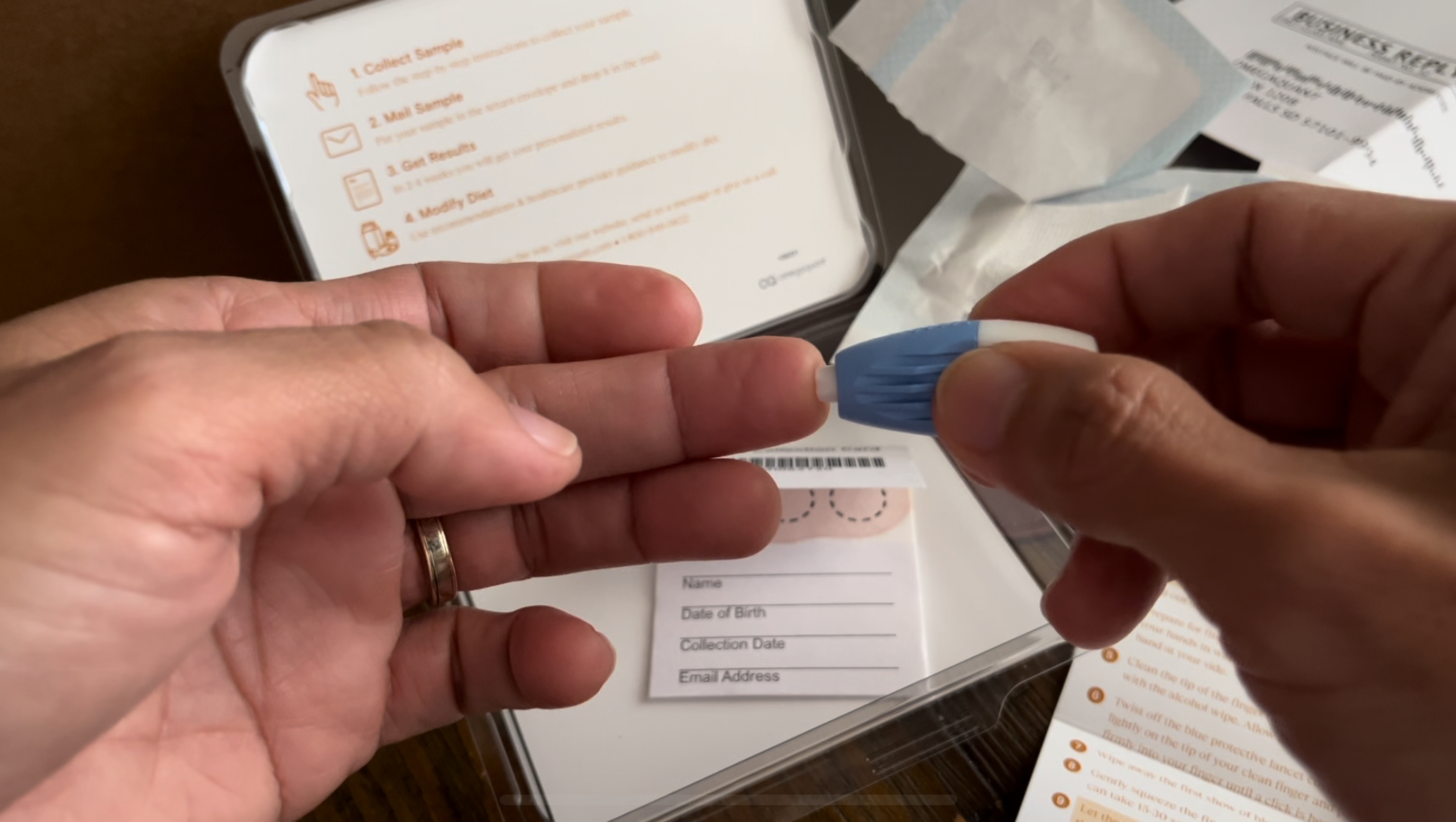
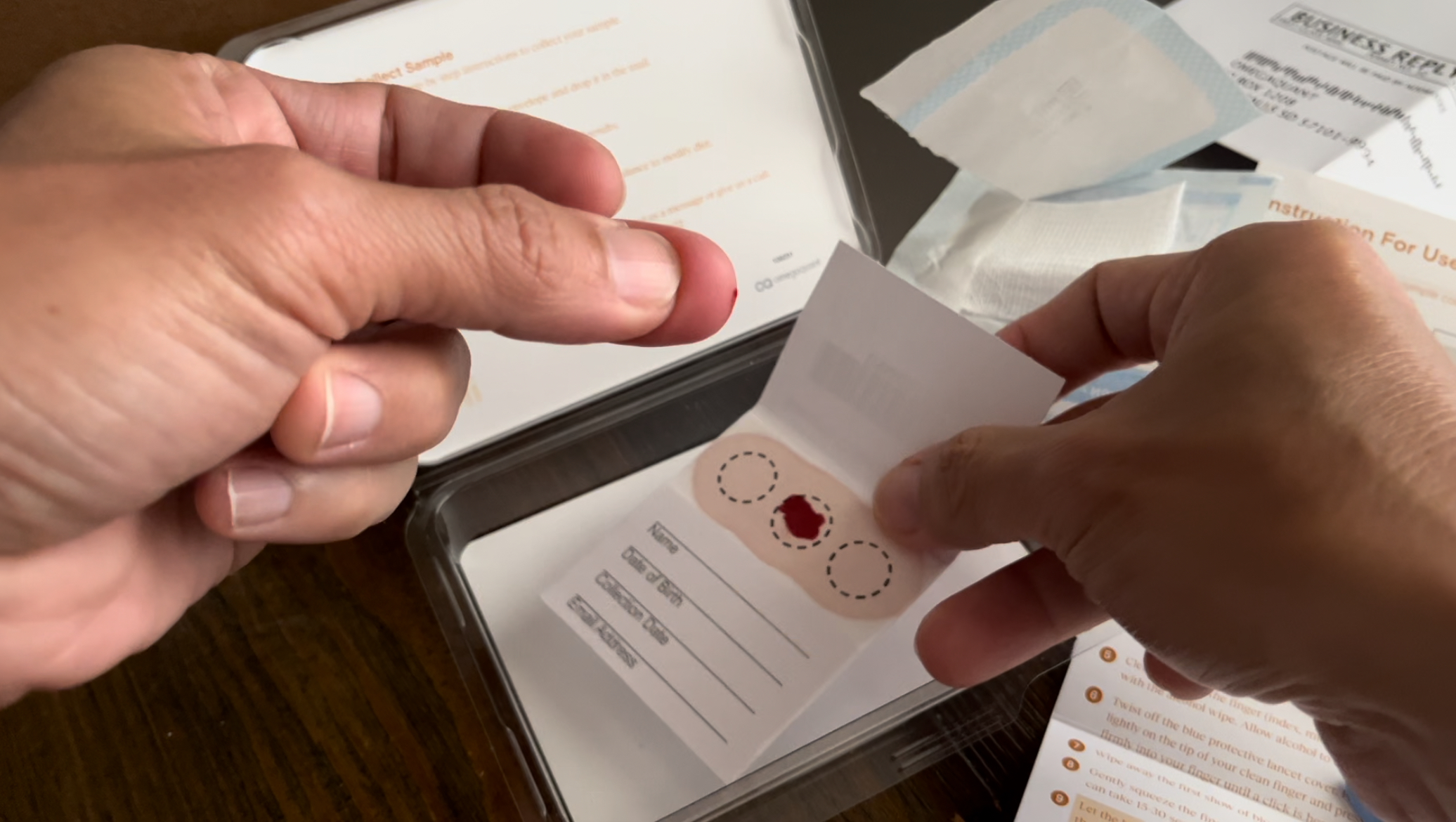
Why Testing Matters – “Test, Don’t Guess”:
What I appreciate about the Omega-3 Index test is that it provides a measurable result. There’s a big difference between assuming you’re meeting your Omega-3 needs and knowing where your levels actually stand. For athletes, this is key because even with supplementation, there’s no guarantee you’re getting enough Omega-3. Some of my friends here in the U.S. have been taking Omega-3 for years, only to find their levels are still low. This shows that not all Omega-3 supplements are created equal.
My Plan for Improvement:
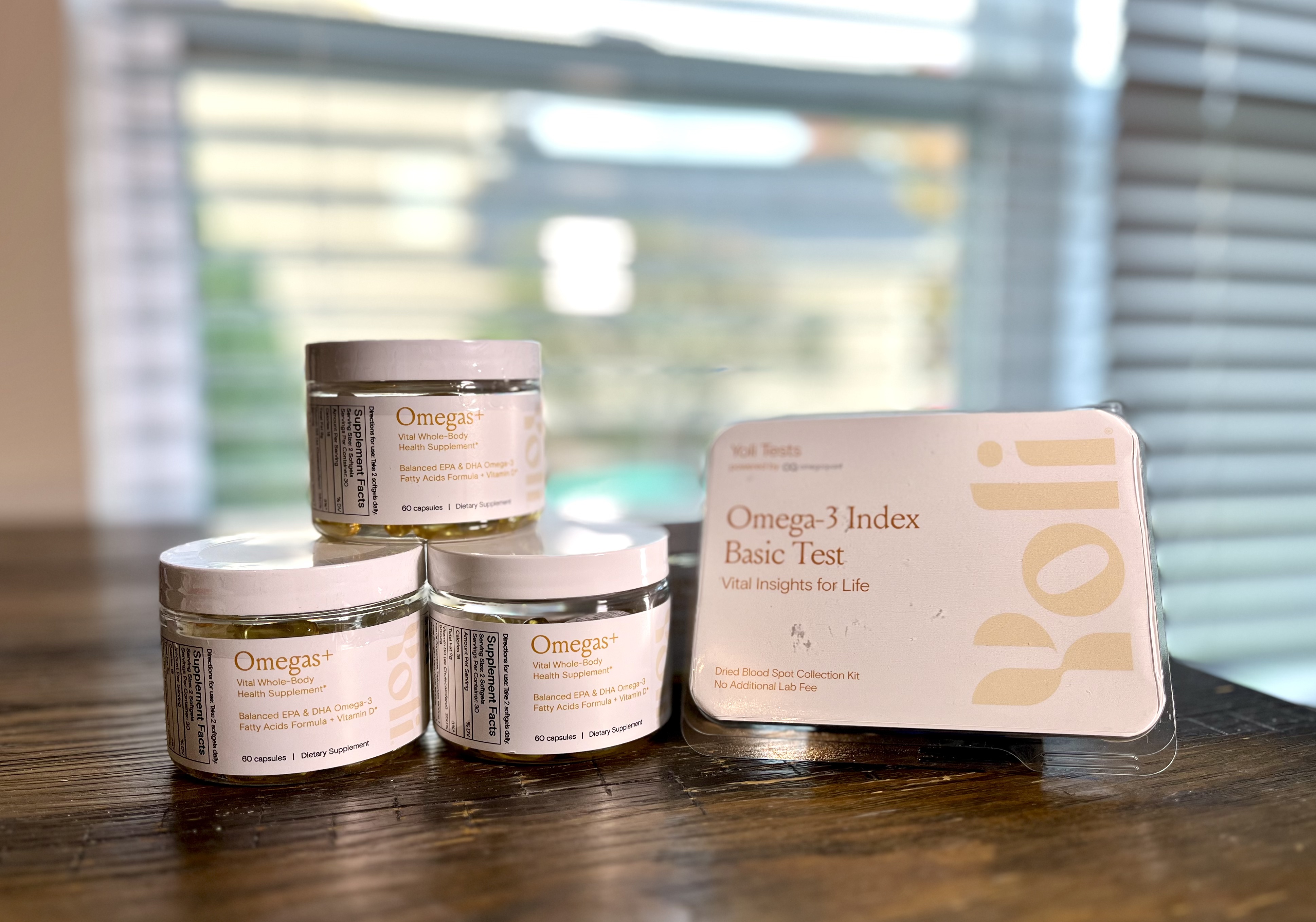
To raise my Omega-3 Index, I’m using Yoli’s newly reformulated Omega-3 supplement. Based on initial testing, users have seen an average increase of 3% in their Omega-3 levels, which is a significant improvement. I plan to retest in 60 to 90 days and see where my levels stand. I’m excited to see the impact this could have not only on my health but also on my athletic performance and recovery.
The Importance of Knowing Your Baseline:
As an athlete, knowing my baseline Omega-3 level feels empowering. It gives me a starting point to measure improvement and allows me to set specific goals for health and performance. Having real data ensures that my training and recovery are supported by a solid nutritional foundation.
In conclusion, if you’re interested in your health and athletic performance, consider taking an Omega-3 Index test. It’s a small step that can yield big benefits by helping you understand your body’s needs and guiding you toward better health and performance.
Thank you for reading, and I’ll keep you updated on my Omega-3 journey! Let’s all work toward healthier bodies and stronger athletic performance by taking a little time to “test, not guess.”
For more information about Yoli Omegas+ check this link: Yoli Omegas+
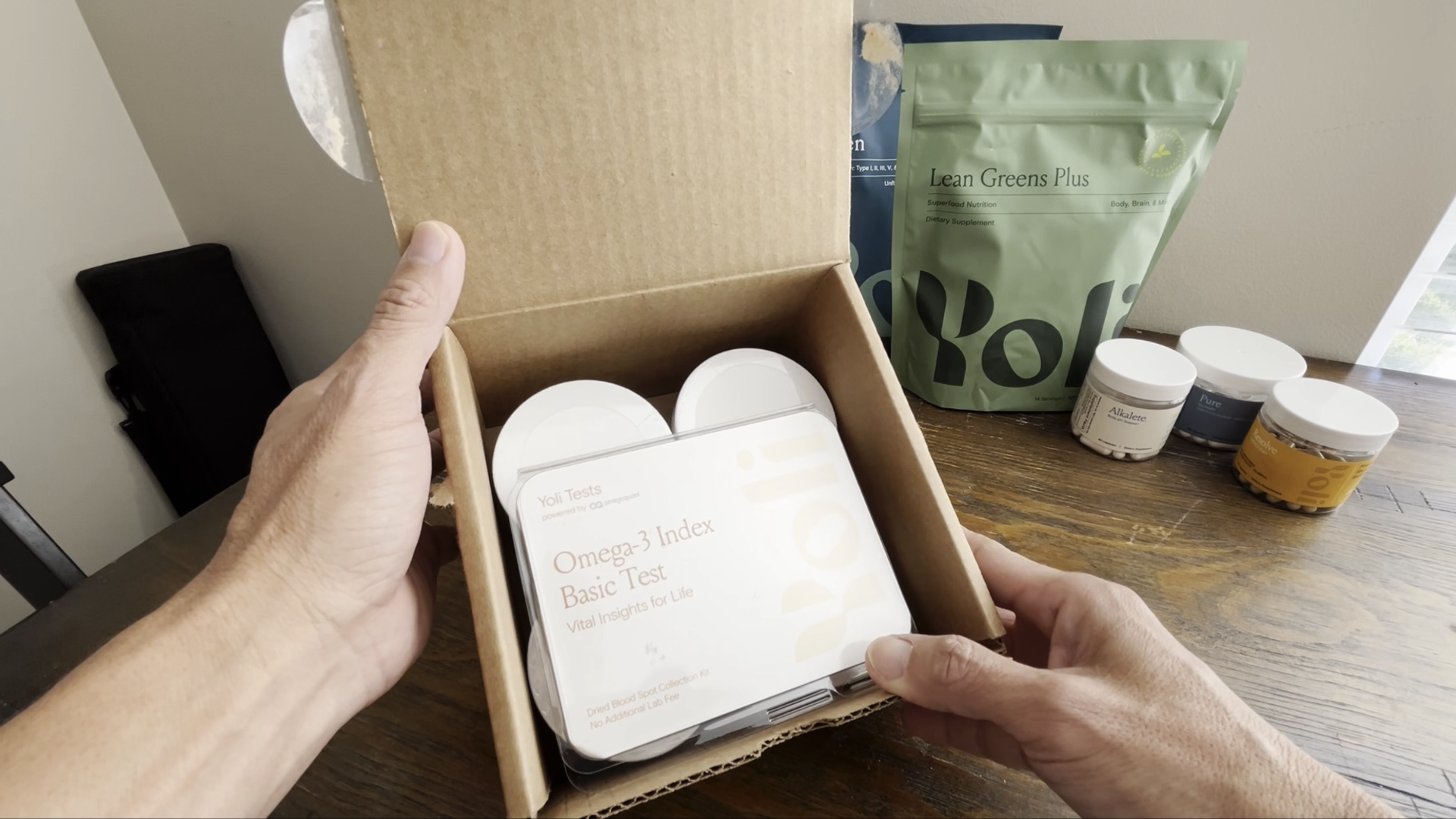
If you want to try Yoli Omegas+ with a Test Kit, shop now: shop.yoli.com/totomanie

 TOTO MANIE